Boo Ghost with Pumpkin Embroidery Review
As a designer who has spent years navigating the delicate balance between creative whimsy and technical execution, I approach every new machine embroidery design with a critical eye. When I first opened the file for Boo Ghost with Pumpkin Embroidery, my immediate goal wasn't just to see a cute Halloween graphic; it was to determine if this asset could survive the rigors of a real-world production run. For small business owners, Etsy sellers, and crafters turning handmade items into profitable products, the difference between a good design and a great one often lies in how it translates from the screen to the fabric.
First Impressions: Mood and Visual Personality
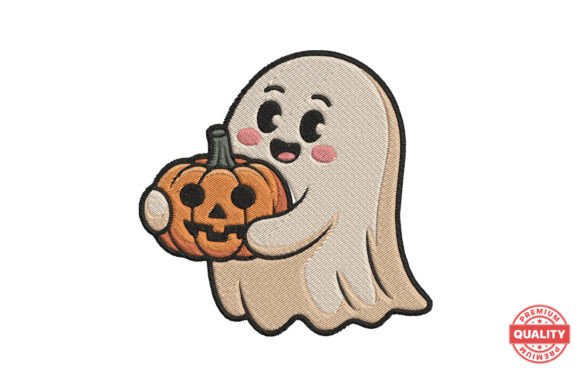
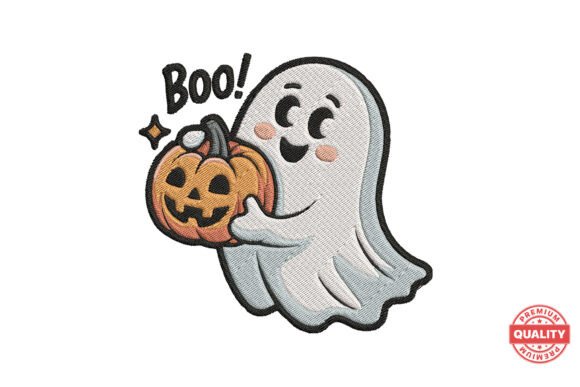
The initial visual impact of Boo Ghost with Pumpkin Embroidery is undeniably charming. It captures that specific sweet-spooky aesthetic that defines modern holiday decor without veering into the scary or overly ghoulish territory. The layout feels balanced, with the ghost character interacting naturally with the pumpkin element, creating a cohesive unit rather than two disjointed objects pasted together. This kind of composition is vital for custom apparel and home goods because it ensures the focal point remains clear even when viewed from a distance on a busy craft fair table.
From a design perspective, the lines appear clean, suggesting that the stitch density will be manageable. There are no obvious areas where threads might bunch up excessively, which is a common pitfall in lower-quality digital files. The personality of the design screams "autumn fun," making it an ideal candidate for seasonal collections. However, looking at the digital preview is only step one. The true test comes when you imagine this stitched onto a textured surface like a canvas tote bag or a soft fleece sweatshirt.
Real-World Application: From File to Finished Product
I recently considered using Boo Ghost with Pumpkin Embroidery for a limited-run collection of trick-or-treat bags and nursery pillows. In these scenarios, the design's versatility shines. On a sturdy cotton canvas tote, the fill stitch areas would likely hold their shape beautifully, giving the product a premium, professional look. For a personalized gift like a baby onesie or a toddler's hoodie, the softer curves of the ghost and pumpkin work well, avoiding sharp angles that can sometimes snag delicate fabrics.
When evaluating this for a craft business, I think about the end-user experience. A customer buying a pillow cover wants a crisp image that doesn't fade after a few washes. The thread colors implied by the design suggest a classic orange and white palette, perhaps with some green accents for the pumpkin stem. These high-contrast combinations are forgiving and visually popping, ensuring the finished product looks vibrant against both light and dark backgrounds. If you are planning to sell embroidered patches featuring this motif, the distinct outlines should allow for easy cutting and weeding, which is crucial for maintaining quality control in a high-volume setting.
Strategic Placement and Fabric Considerations
While the design is robust, there are specific situations where caution is required. If you plan to use Boo Ghost with Pumpkin Embroidery on very thin or highly stretchy fabrics, such as jersey knit t-shirts, you must pay close attention to your stabilizer choice. Without adequate backing, the tension from the satin stitch borders could cause puckering, ruining the silhouette of the ghost. Similarly, on curved surfaces like baseball caps, the interaction between the ghost and the pumpkin needs to be tested to ensure the stitches don't distort as they wrap around the crown.
For dark fabric projects, you may need to adjust the underlay settings to ensure the white thread of the ghost stands out clearly. A lack of proper underlay can make the design look muddy or dull, significantly reducing the perceived value of your handmade product. Additionally, if you are working with heavy textures like denim or thick wool blankets, verify that the hoop size accommodates the full width of the design without distorting the fabric grain. Distorted fabric leads to uneven stitching, which is a quick way to lose customer trust in your brand.
Practical Designer Notes for Success
Before committing to a full production run or listing this item on your shop, I strongly recommend running a test stitch on scrap fabric that matches your intended final material. This simple step allows you to check the actual stitch count and density, which might differ slightly from the software preview. You can also use this opportunity to experiment with different thread colors to see if a pop of purple or lime green enhances the Halloween vibe better than the standard orange.
Always review the licensing terms included with your digital embroidery file. While many designs are sold for personal use, selling commercial embroidery products requires specific permissions. As a seller, protecting your business means ensuring you have the right to sell items made with this design. Furthermore, consider creating printable mockups of the design on various products before you actually stitch them. This helps in marketing your small shop product effectively, giving potential buyers a realistic idea of what they are purchasing.
Finally, keep an eye on the finer details. Tiny elements like the eyes of the ghost or the stem of the pumpkin can sometimes get lost if the running stitch is too sparse or the fabric is too thick. Inspect these areas closely during your test run. If necessary, you may need to adjust the speed of your machine or change the needle type to achieve the sharpest possible result.
Verdict: A Solid Asset for Seasonal Collections
In conclusion, Boo Ghost with Pumpkin Embroidery is a reliable and aesthetically pleasing addition to any designer's library. It strikes the right balance between simplicity and detail, making it suitable for a wide range of applications from holiday gifts to boutique merchandise. Its adaptability across different fabric types and its strong visual appeal make it a low-risk, high-reward investment for anyone looking to expand their design assets for the upcoming season.
Whether you are a hobbyist creating unique decorations for your home or an entrepreneur building a brand around seasonal apparel decorators, this design offers the foundation for a successful project. By following best practices for testing, stabilizing, and licensing, you can ensure that your finished pieces not only look great but also stand the test of time. Happy stitching!