Growing Plant Embroidery Design Review
As I set up my table for the upcoming weekend craft fair, the air is already thick with the scent of fresh linen and the hum of anticipation. My booth needs to tell a story immediately. In the sea of handmade products, Growing Plant Embroidery Design stands out as a potential star. This isn't just another floral motif; it is a statement of nature-inspired simplicity that speaks directly to the eco-conscious buyer browsing my stall. As an experienced embroidery designer, I am evaluating this digital asset not just for its aesthetic appeal, but for its viability as a profitable craft fair product.
First Impressions: Minimalist Charm Meets Earthy Appeal
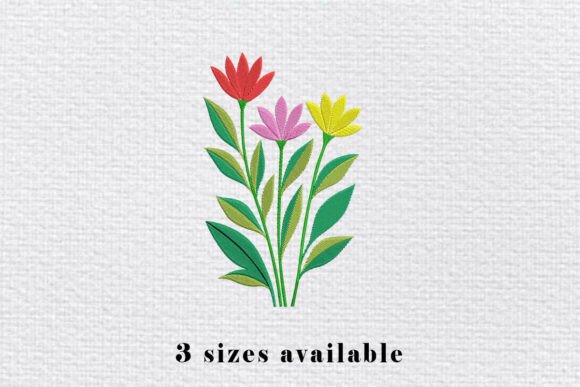
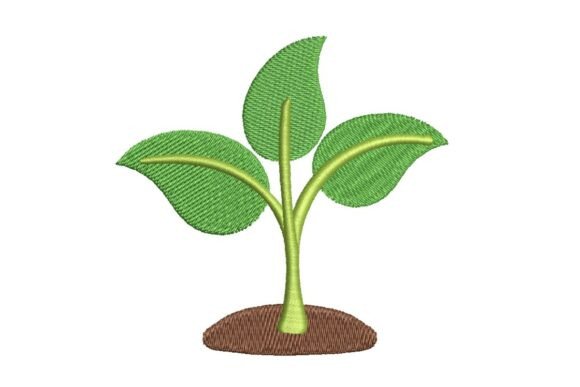
The moment I load the Growing Plant Embroidery Design into my machine, the vibe is clear. It feels modern yet rustic, perfectly aligning with the current farmhouse and botanical trends dominating the handmade market. The description promises "nature-inspired simplicity," and the visual execution delivers exactly that. Unlike complex Single Flowers that can look cluttered from a distance, this sprouting plant design offers clean lines and a sense of upward movement. It feels premium without being overly ornate, making it an ideal candidate for a wide range of handmade products. For an Etsy seller or boutique maker, this design bridges the gap between a trendy accent and a timeless classic.
Product Performance Across Your Inventory
When preparing a booth display, versatility is key. I need designs that translate well across different mediums. Here is how Growing Plant Embroidery Design performs on specific items:
- Tote Bags and Market Bags: This design shines on canvas tote bags. Placed centrally on a natural unbleached bag, the green thread pops beautifully. It transforms a basic utility item into a stylish tote bag design that customers will want to carry everywhere, effectively marketing your brand.
- Kitchen Linens: For tea towel embroidery, the minimalist nature of the sprout prevents the design from getting lost in the texture of the fabric. It looks elegant on aprons as well, serving as a subtle logo rather than a loud graphic. This makes it perfect for the "kitchen garden" aesthetic.
- Wearable Accessories: On caps and embroidered patches, the design maintains its integrity. However, because it is a sprouting plant, the orientation matters. On a cap, it should be centered to avoid distortion. As an embroidered patch, it adds a touch of whimsy to denim jackets or backpacks.
- Home Decor: Pillow covers and small fabric pouches benefit from the design's scalability. It works as a large focal point on a throw pillow or a small, repeated pattern on a set of storage pouches.
Selling Points: Visual Impact and Customer Engagement
In a busy craft fair environment, you have seconds to capture attention. Growing Plant Embroidery Design excels here because it is instantly understandable. Customers don't need to squint to see what it is; the concept of growth and gardening is universally recognized. This clarity boosts buyer engagement. When a customer sees this on a finished product, they immediately associate it with sustainability and care—values that drive sales for commercial embroidery businesses today.
The design also photographs exceptionally well for online listings. Its clean lines render sharply in printable mockups and real-life photos, ensuring your Etsy seller profile looks professional. Whether you are selling the physical goods or the digital embroidery file itself, the visual appeal translates seamlessly from screen to shelf.
Practical Production Considerations
While the design is promising, a professional eye must scrutinize the technical aspects before batch production. Here are the critical factors to consider:
- Stitch Density and Fabric Texture: Since this is a minimalist design, the stitch density might be lower than heavy floral patterns. This is generally good for speed, but on textured towels, ensure the stabilizer is strong enough to prevent puckering. Always test on scrap fabric first.
- Thread Contrast: The magic of Growing Plant Embroidery Design lies in color choice. On dark fabrics, standard green threads may vanish. You will need to adjust your thread colors to lighter shades or add a satin stitch outline to maintain visibility. Conversely, on light linens, deep forest greens create a sophisticated contrast.
- Hoop Size and Scaling: Check the recommended hoop size in your embroidery file details. If you scale it down too much for a small accent on a cuff, the delicate leaves might lose definition. It is best used as a medium-sized focal point rather than a tiny detail.
- Curved Surfaces: When applying this to caps, remember that curved surfaces can distort linear designs. Ensure the digitization accounts for the curve, or keep the placement flat against the front panel.
Designer Notes for Success
To maximize the value of Growing Plant Embroidery Design, follow these steps before your next production run:
- Test Run: Never skip the test on a piece of the actual fabric you intend to use. This reveals issues with fabric texture and thread tension that are invisible on a computer screen.
- Stabilizer Selection: Use the right stabilizer for the weight of your material. A tear-away might work for cotton tees, but a cut-away is essential for stretchy knits or heavy canvas.
- Mockup Creation: Create at least one real finished product to photograph. Real lighting and texture sell better than digital renders alone.
- Licensing Check: Before selling any small shop product made with this design, confirm the commercial licensing terms. Ensure you have the rights to sell the physical goods and understand if there are limits on the number of items produced.
- Batch Consistency: Because the design is simple, it is highly repeatable. This allows for efficient batch production, ensuring every item in your inventory looks identical and professional.
Final Verdict: A Must-Have for Nature Lovers
Growing Plant Embroidery Design is more than just a pattern; it is a versatile tool for creative entrepreneurs. Its ability to convey growth, eco-friendliness, and simplicity makes it a powerhouse for Earth Day projects and year-round gardening themes. Whether you are an established embroidery business owner or a new crafter setting up their first booth, this design offers a high return on investment through its broad appeal and ease of production.
By carefully selecting your fabrics, testing your settings, and presenting the design with pride, you can turn this machine embroidery design into a signature element of your brand. It invites customers to connect with nature while supporting your handmade business. With the right execution, this sprouting plant will help your brand grow just as beautifully as the design itself.