Pterodactyl Embroidery Design Review
As a designer who spends countless hours testing machine embroidery designs for both personal craft business projects and client work, I know that the difference between a good design and a great one often lies in how it translates from a digital screen to a physical fabric. When I first opened the Pterodactyl Embroidery Design, my immediate reaction was delight. The concept of bringing prehistoric cuteness to modern textiles is a winning combination, especially for the current market trend favoring whimsical and soft animal themes. This adorable pink pterodactyl brings a unique energy that feels perfectly suited for dino-themed kids' clothing, baby blankets, nursery décor, or fun tote bags.
First Impressions: A Prehistoric Twist on Softness
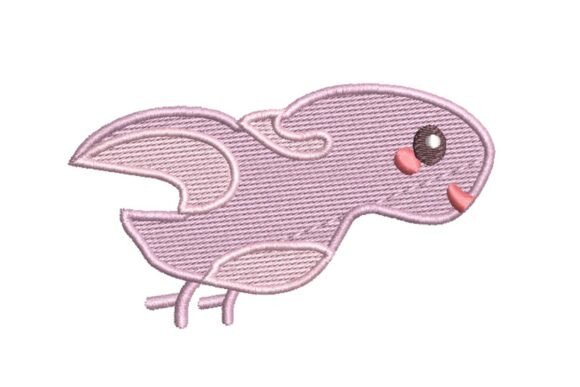
The visual personality of this design is immediately striking. Unlike traditional, aggressive dinosaur motifs that rely on sharp angles and dark colors, this piece leans heavily into charm. The pink hue suggests a playful, gender-neutral appeal that works beautifully for a wide range of handmade products. From a layout perspective, the shape of the pterodactyl is balanced, ensuring that the wingspan doesn't overwhelm the central body. For an embroidery file intended for commercial use, balance is crucial because it ensures the stitching looks intentional rather than cluttered, regardless of where you place it on a garment.
I found myself imagining this design on a variety of surfaces immediately. It has the potential to be a standout feature on a custom sweatshirt or a subtle accent on a kitchen towel. The level of detail appears manageable for most home and light commercial machines, which is a significant factor when considering stitch density. If the density is too high, you risk puckering thin fabrics; if it's too low, the design loses its definition. This design seems to strike a healthy middle ground, promising a finished product that looks professional without requiring excessive stabilizer or tension adjustments.
Real-World Application: Testing the Design
To truly evaluate the Pterodactyl Embroidery Design, I mentally walked through a real-life scenario: preparing a limited run of embroidered tote bags for a local craft fair. Tote bags are a staple for small shop products, but they present specific challenges due to their texture and the way they hang. In this context, the design needs to pop against a canvas background while maintaining structural integrity after being stuffed with groceries.
When visualizing the stitch execution, the fill stitch areas on the wings would likely provide excellent coverage on medium-weight cotton canvas. The satin stitch details, if used for outlines or eyes, would add a necessary sheen that elevates the perceived value of the item. For an Etsy seller looking to create a cohesive brand, having a design like this allows for consistent branding across different mediums. You could easily adapt this same motif for a baby onesie, using softer thread colors, or scale it up for a large pillow cover in a nursery setting.
The versatility of this machine embroidery design extends beyond just apparel. Imagine it as an embroidered patch sewn onto a denim jacket or a backpack. The "prehistoric cuteness" theme resonates well with parents looking for unique holiday gifts or personalized items for birthday parties. The design assets here feel robust enough to handle the rigors of frequent washing, provided the correct backing is used. This durability is essential for building customer trust; buyers expect their handmade purchases to last, not unravel after a few cycles.
Strategic Placement and Fabric Considerations
While the design is versatile, there are specific situations where caution is required. As with any intricate digital embroidery file, the choice of fabric texture plays a massive role in the final outcome. On textured fabrics like fleece or heavy wool, the fine details of the pterodactyl's face might get lost. I would recommend avoiding very thin or stretchy fabrics unless you are confident in your ability to hoop them correctly with a strong stabilizer. Stretchy materials can distort the wingspan, making the design look asymmetrical.
Furthermore, consider the hoop size. If the design is intended for a cap or a curved surface, the curvature might interfere with the smooth lines of the wings. In such cases, testing the design on a scrap piece of similar fabric is non-negotiable. You need to see how the needle penetrates the curve and whether the thread lays flat. Dark fabrics also require special attention; the pink color of the pterodactyl might need a white underlay to ensure it stands out, whereas on a light cream or pastel background, it will shine naturally.
Practical Notes for Designers and Makers
Before committing to a full production run or selling a finished product featuring this design, there are several practical steps every serious crafter should take. First, always test the design on scrap fabric. This allows you to check thread color contrast and review the stitch density without risking expensive materials. Inspect small details closely; sometimes, what looks clear on a monitor gets muddy in reality due to thread thickness.
Secondly, confirm the licensing terms. Whether you are creating a single personalized gift or planning to sell hundreds of units as part of a craft business, understanding your rights to use the Pterodactyl Embroidery Design commercially is vital. Many digital products have restrictions on reselling the file itself versus selling items made with the file. Always verify this to protect your business reputation.
Finally, think about the presentation. Creating a printable mockup can help you visualize how the design looks in black and white versus color, and how it pairs with different backgrounds. This step is crucial for online listings where customers cannot touch the product. A high-quality preview builds buyer engagement and helps justify the price point of your handmade items.
Final Verdict on Commercial Viability
In conclusion, the Pterodactyl Embroidery Design offers a refreshing take on the popular Dinosaurs category within the world of Embroidery. Its ability to blend nostalgia with modern aesthetics makes it a valuable asset for designers aiming to capture the hearts of parents, children, and dino enthusiasts alike. While it requires careful consideration regarding fabric choice and stabilizer usage, the potential for creating high-value, memorable products is evident.
Whether you are decorating a sweatshirt for a friend, launching a new line of nursery décor, or adding a unique touch to your boutique merchandise, this design provides a solid foundation. It encourages creativity while maintaining the technical standards needed for professional results. By following best practices in testing and application, you can ensure that every project featuring this prehistoric flyer turns out as cute and durable as intended. For those looking to expand their portfolio with something fun yet functional, this is definitely a design worth exploring.